


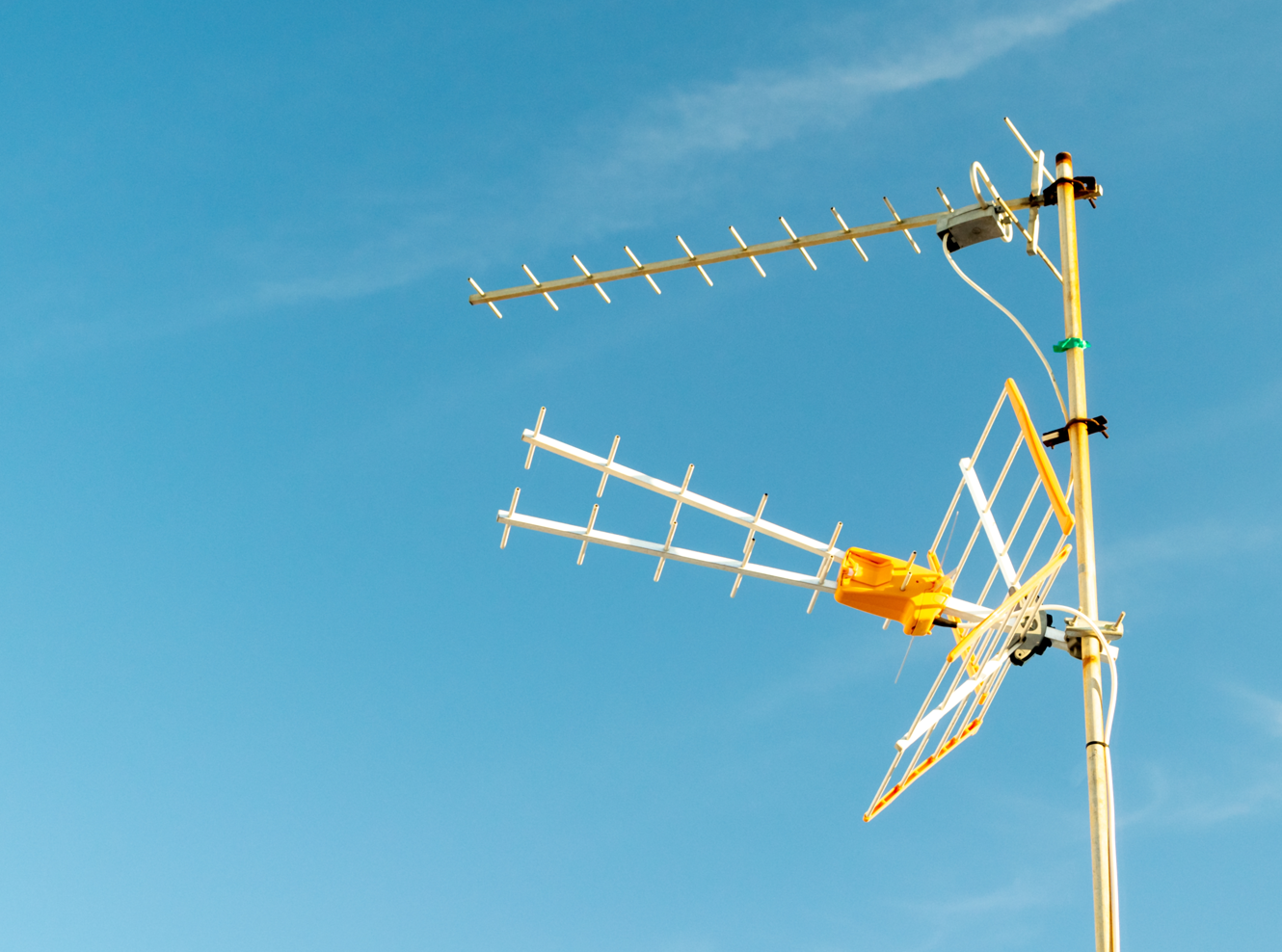
In today’s connected world, where wireless communication is integral to everything from smartphones to satellites, precise antenna performance is non-negotiable. Antenna testing plays a crucial role in ensuring devices function reliably and efficiently in real-world conditions. One of the most vital tools in this process is the compact antenna test range (CATR). Unlike traditional outdoor ranges, CATRs offer a controlled and efficient indoor environment for high-accuracy antenna characterization.
Below, we’ll discuss five compelling reasons why a compact antenna test range is essential for antenna testing. Read on!
1. Accurate Far-Field Measurements in a Compact Space
Antenna performance is typically measured in the far-field region, where the radiation pattern stabilizes. For high-gain or large antennas, achieving true far-field conditions in an open space would require test ranges that are tens or even hundreds of meters long.
CATRs solve this by using a parabolic reflector to transform spherical wavefronts from a feed antenna into plane waves, simulating far-field conditions within a much smaller chamber. This allows engineers to perform accurate far-field measurements in a fraction of the space required by traditional outdoor ranges, making CATR ideal for laboratories and production facilities.
2. Controlled Testing Environment
Environmental variables like weather, temperature, and interference can skew antenna testing results. Outdoor ranges are particularly vulnerable to these factors, leading to inconsistent or inaccurate data.
CATRs, on the other hand, are housed in shielded anechoic chambers that eliminate external radio frequency (RF) interference and environmental noise. This controlled environment ensures repeatable, high-fidelity measurements that are critical for comparing antenna performance across different test sessions or design iterations.
3. Wide Frequency Range Capability
Modern antennas are designed to operate across a wide spectrum of frequencies—from ultra high frequency (UHF) and microwave to millimeter-wave bands. CATRs are capable of supporting this broad range due to their sophisticated design and use of high-precision reflectors and absorptive materials.
This makes CATRs highly versatile, supporting the testing needs of diverse applications such as satellite communications, automotive radar, 5G, aerospace, and defense systems, all of which demand rigorous multi-band performance validation.
4. Time and Cost Efficiency
Building and maintaining large outdoor antenna test ranges is both costly and time-consuming. These facilities often require extensive real estate, specialized equipment, and regular maintenance due to exposure to the elements.
By contrast, CATRs drastically reduce both the physical footprint and operational overhead. Indoor testing also eliminates weather delays and the need for complicated calibration procedures associated with large test distances. This leads to faster development cycles and more efficient workflows—crucial advantages in competitive technology sectors.
5. Compatibility With Automated Testing Systems
As the complexity of antenna systems increases, so does the need for comprehensive testing, often involving numerous orientations, frequencies, and polarization states. CATRs are ideally suited for integration with robotic positioners and automated test software, enabling rapid, repeatable scans of antenna radiation patterns and other key metrics.
Automation not only increases throughput but also lessens human error, making CATR-based testing indispensable for high-volume manufacturing and quality assurance in industries where precision is paramount.
A compact antenna test range is more than just a space-saving alternative to traditional outdoor ranges—it is a high-precision, cost-effective, and future-ready solution for modern antenna testing challenges. Whether you’re developing next-generation 5G equipment, testing satellite communication links, or ensuring the reliability of defense radar systems, CATR technology provides the accuracy and efficiency needed to stay ahead in a rapidly evolving wireless landscape.
For organizations that value performance, reliability, and innovation, integrating a CATR into your antenna testing workflow isn’t just a smart decision—it’s an essential one.
