


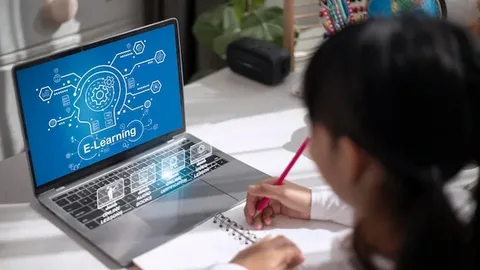
In recent years, Education AI: The Rise of Smart Classrooms and Personalized Learning has become a transformative force in the education sector. As technology continues to evolve, classrooms are no longer just physical spaces for learning—they are becoming intelligent environments that adapt to the needs of each student.
The Emergence of Smart Classrooms
Smart classrooms are powered by Education AI, enabling teachers to integrate digital tools seamlessly into everyday learning. These classrooms use AI-driven technologies such as virtual teaching assistants, intelligent content recommendation systems, and automated grading tools. The goal is to make learning more interactive, efficient, and engaging for students.
One key feature of smart classrooms is the ability to analyze student behavior and performance in real-time. This allows teachers to identify struggling students early and provide tailored support, ensuring no student falls behind.
Personalized Learning Through AI
At the heart of this technological revolution is personalized learning. Education AI: The Rise of Smart Classrooms and Personalized Learning has redefined how educators approach lesson planning and student engagement. AI algorithms analyze students’ learning styles, strengths, and weaknesses, creating customized lesson plans that optimize knowledge retention.
For instance, students who excel in visual learning may receive more interactive video content, while others might benefit from gamified exercises or AI-guided practice problems. This personalized approach ensures that every student can learn at their own pace, improving overall academic performance and boosting confidence.
Benefits of Integrating AI in Education
The integration of AI in classrooms brings multiple benefits, including:
- Enhanced Efficiency: Automated grading and administrative tasks free up teachers to focus more on interactive teaching.
- Data-Driven Insights: AI provides detailed analytics about student progress, helping educators make informed decisions.
- Inclusive Learning: Students with disabilities or special needs can benefit from AI-powered adaptive tools that cater to their unique requirements.
Challenges and Considerations
While the advantages are clear, the rise of AI in education also presents challenges. Issues such as data privacy, algorithmic bias, and the digital divide must be carefully addressed. Educators and policymakers need to ensure that AI solutions are implemented ethically and equitably, so that all students can benefit from smart classrooms.
Conclusion
Education AI: The Rise of Smart Classrooms and Personalized Learning marks a new era in the educational landscape. By combining intelligent technology with tailored learning experiences, AI is helping create more efficient, engaging, and inclusive classrooms. As schools continue to adopt these innovations, the future of education promises to be smarter, more adaptable, and truly personalized.
