


We have all experienced that minor panic when a power outage or a sudden snowstorm keeps us housebound. It is in these hungry moments that we realize the true value of a well-stocked pantry. Building a backup plan is not about preparing for the end of the world, but rather ensuring your family stays fed during life’s unexpected hiccups. A smart pantry acts like an edible insurance policy for when things go sideways.
The key to a successful long-term food supply is focusing on items that offer both nutrition and genuine comfort. Many people make the mistake of buying “survival food” they would never actually eat, which eventually leads to waste. Instead, you should stock up on versatile ingredients that you already enjoy in your weekly meal rotation. This approach ensures your backup plan feels like a secret stash of your favorite flavors rather than a chore.
Prioritizing Versatile Grain Foundations
The backbone of any reliable food storage plan starts with sturdy, dry grains that can last for months. White rice, dried pasta, and oats provide the essential energy needed to keep you moving through a stressful day. These items are incredibly affordable in bulk and act as a neutral base for almost any flavor profile. Keeping them on hand ensures you always have a filling foundation for a hot, home-cooked meal.
To maximize their lifespan, store these grains in a cool, dry place away from direct sunlight. Using airtight containers prevents moisture from seeping in and ruining your hard-earned supply. Even simple plastic bins can make a massive difference in how long your pasta remains fresh and edible. By protecting your grains, you are securing the most significant portion of your emergency food investment.
Selecting Nutrient-Dense Canned Goods
While dry goods provide the bulk, canned proteins and vegetables offer the vital nutrients and variety needed to stay healthy. Canned beans, tuna, and chicken are excellent protein sources that require no refrigeration and very little preparation. They can be mixed with rice or salads to create a complete meal in minutes. A diverse selection also prevents “appetite fatigue,” ensuring you don’t get tired of your food.
Canned fruits and vegetables are equally important for maintaining vitamin intake when fresh produce is unavailable. Choose items packed in water or natural juices rather than heavy syrups to keep meals healthy. These cans are also useful because the liquid inside can be used for cooking if your water supply is limited. Rotating your stock every few months ensures you are always eating the freshest options available.
Investing in Flavorful Dry Bases
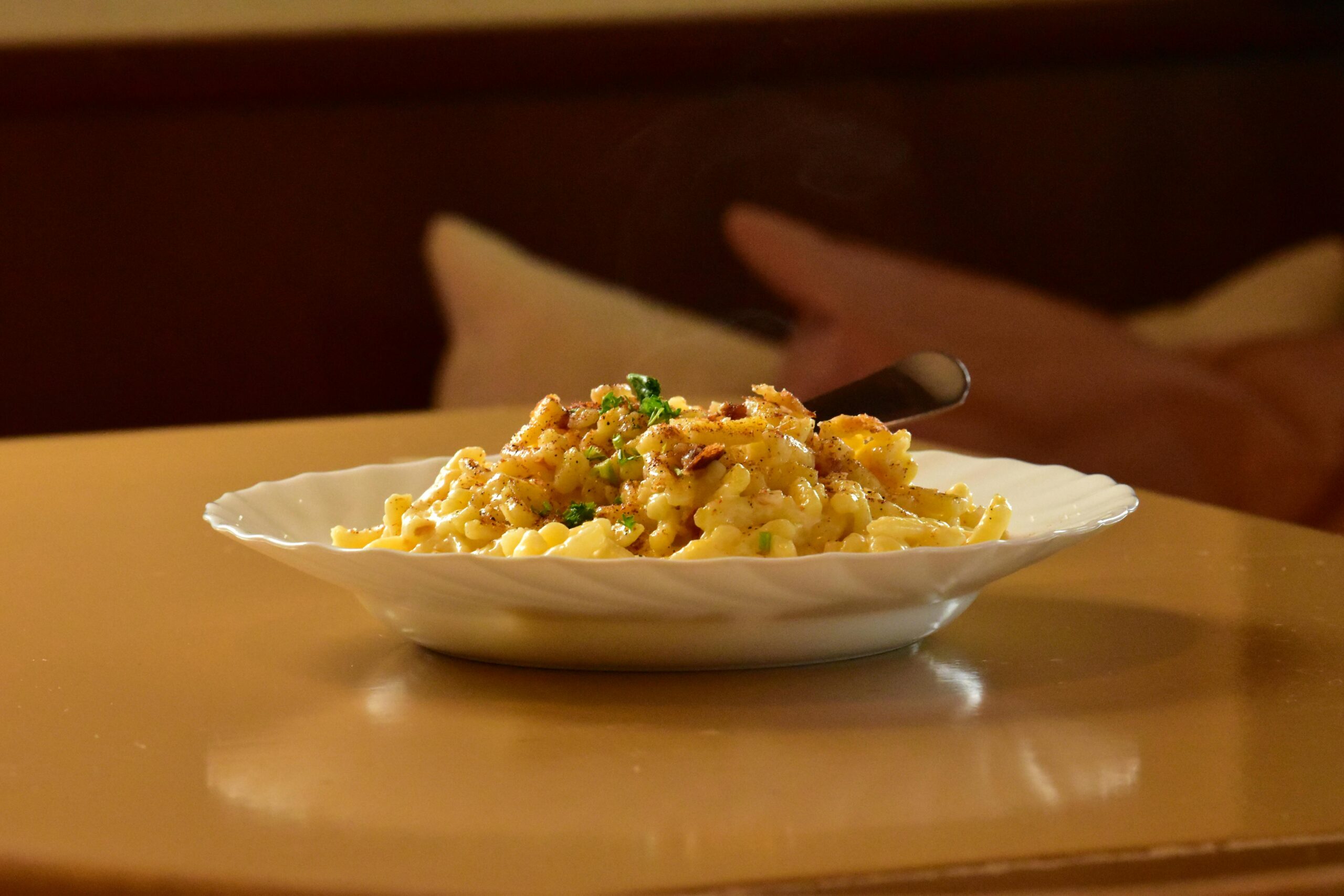
A common mistake in food storage is forgetting that flavor is essential for morale during a crisis. High-quality dry bases allow you to add intense flavor without the need for fresh dairy or refrigeration. For example, stocking up on mac and cheese powder is a brilliant move because it provides a creamy, familiar sauce with just a bit of water. It turns plain noodles into a comfort meal that can lift the spirits of everyone in the house.
Beyond cheese bases, you should consider dry stocks, bouillon cubes, and a wide variety of dried herbs. These items take up very little space but have a massive impact on the quality of your finished dishes. A simple bowl of rice becomes a gourmet treat when cooked with vegetable stock and a dash of garlic. These small additions are the secret to making a backup plan feel like a regular dinner rather than a compromise.
Managing Your Inventory Rotation
Building a backup plan is not a “set it and forget it” task; it requires active management to be truly effective. The “first in, first out” rule is the gold standard for keeping your pantry in peak condition. Simply place your newest purchases at the back of the shelf and use the older items first. This habit prevents you from finding an expired can of soup when you actually need it most.
Perform a quick inventory check every time the seasons change to see what might be nearing its expiration date. If you have too much of one item, incorporate it into your current meal plan to clear space. Constant rotation keeps your food fresh and ensures your stash is full of things you still enjoy eating. This also gives you a chance to see if you are missing essentials like fats or oils.
Ensuring Proper Storage Conditions
The environment where you keep your food is just as important as the items themselves for long-term storage. Heat and humidity are the primary enemies, as they can cause fats to go rancid and cans to degrade. A cool basement or dark kitchen pantry is usually the best spot for your backup supply. Even a small temperature difference can add months or years to the life of your dried goods.
Remember to store your food in containers resistant to pests like ants or rodents. Glass jars or heavy-duty plastic tubs are much better than the original cardboard boxes. This extra layer of protection ensures your investment stays safe from hungry critters looking for a snack. Taking these small precautions now will provide immense peace of mind whenever you need to rely on your kitchen’s backup plan.
Conclusion
Building a backup plan is a practical way to ensure your household’s security and comfort. By focusing on versatile grains and flavorful bases, you create a resilient system for any situation. Your kitchen becomes a resource that handles everything from late-night cravings to week-long power outages. With a little organization, you can ensure your family is always well-fed and ready for whatever comes next.
