


Most Americans grow up with a specific idea of what the perfect bowl of cheesy pasta should taste like. For many, that bright orange glow brings back nostalgic memories of school lunches and rainy afternoons. However, as our tastes evolve, we often crave something more daring and sophisticated. Creating a bold dish isn’t about following a box; it is about learning to layer flavors like a professional.
When you view your kitchen as a flavor laboratory, every dinner becomes an opportunity for discovery. You don’t need a massive budget or exotic ingredients to make a statement with your cooking. All it takes is a willingness to break traditional rules and a few smart pantry staples. By focusing on how tastes interact, you can transform a humble comfort food into a gourmet masterpiece.
Understanding the Foundation of Flavor
Before experimenting with wild additions, you must master your cheese sauce base. A great sauce should coat a spoon thickly while remaining smooth enough to fill every pasta nook. Many home cooks use only one cheese, which often results in a flat, one-dimensional flavor. Mixing a sharp cheddar with a creamier option like fontina creates a complex profile that satisfies the entire palate.
If you need a shortcut to a consistent base, a high-quality mac and cheese mix can save significant time. These bases are engineered to emulsify perfectly, meaning the fats and liquids stay mixed without clumping. Using a reliable base lets you focus on adding the bold “extra” flavors that make the dish your own. It provides a stable canvas that ensures your creative experiments result in a silky, delicious sauce.
Incorporating Earthy and Savory Elements
To truly elevate your cheese profile, you need to look beyond the dairy aisle and consider earthy, savory components. Mushrooms are a classic choice because they contain “umami,” which is the savory fifth taste that makes food feel deeply satisfying. Sautéing some shiitake or cremini mushrooms with a bit of thyme can add a woodland richness that balances the saltiness of the cheese. This creates a more mature flavor profile that feels much more like a meal at a high-end bistro.
Another way to ground your dish is by using roasted aromatics like garlic or shallots. Roasting garlic mellows its sharp bite and turns it into a sweet, buttery paste that blends seamlessly into any sauce. You can also experiment with a small amount of miso paste or even a dash of soy sauce to deepen the golden color and savory notes. These ingredients might seem unusual for a pasta dish, but they act as “flavor boosters” that make the cheese taste even more intense and delicious.
Balancing Richness With Bright Acidity
A common mistake in home cooking is creating a dish that feels too heavy because it lacks acidity. Since cheese and pasta are both rich and fatty, your tongue can become overwhelmed after just a few bites. Adding a bright, acidic component acts as a palate cleanser, cutting through the creaminess to make every bite taste fresh. A simple squeeze of lemon or a teaspoon of white wine vinegar can make a world of difference.
For a bit more adventure, try incorporating pickled elements like diced pepperoncinis or a splash of brine. The vinegar in these additions provides a sharp contrast that makes the savory notes of the cheddar pop. Mustard is another secret weapon for chefs, adding both acidity and a subtle heat that complements the dairy perfectly. This balance of fat and acid is what separates a sluggish meal from an exciting culinary experience.
Experimenting With Heat and Smoke
To earn the title of “boldest in town,” heat and smoke are the two most powerful tools at your disposal. Smoked paprika or chipotle powder can give your sauce an addictive “backyard barbecue” vibe. If you have a smoker, you can even smoke your own cheese before melting it down for ultimate depth. This adds a layer of complexity that smells just as good as it tastes.
If you prefer direct heat, look toward fresh or fermented peppers to wake up the dish. A spoonful of gochujang adds a sweet and spicy kick that pairs beautifully with sharp white cheddar. You can also use diced habaneros for tropical heat or classic red pepper flakes for a traditional tingle. The goal is to provide enough warmth to keep the eater engaged without making the food painful.
Perfecting the Final Texture Contrast
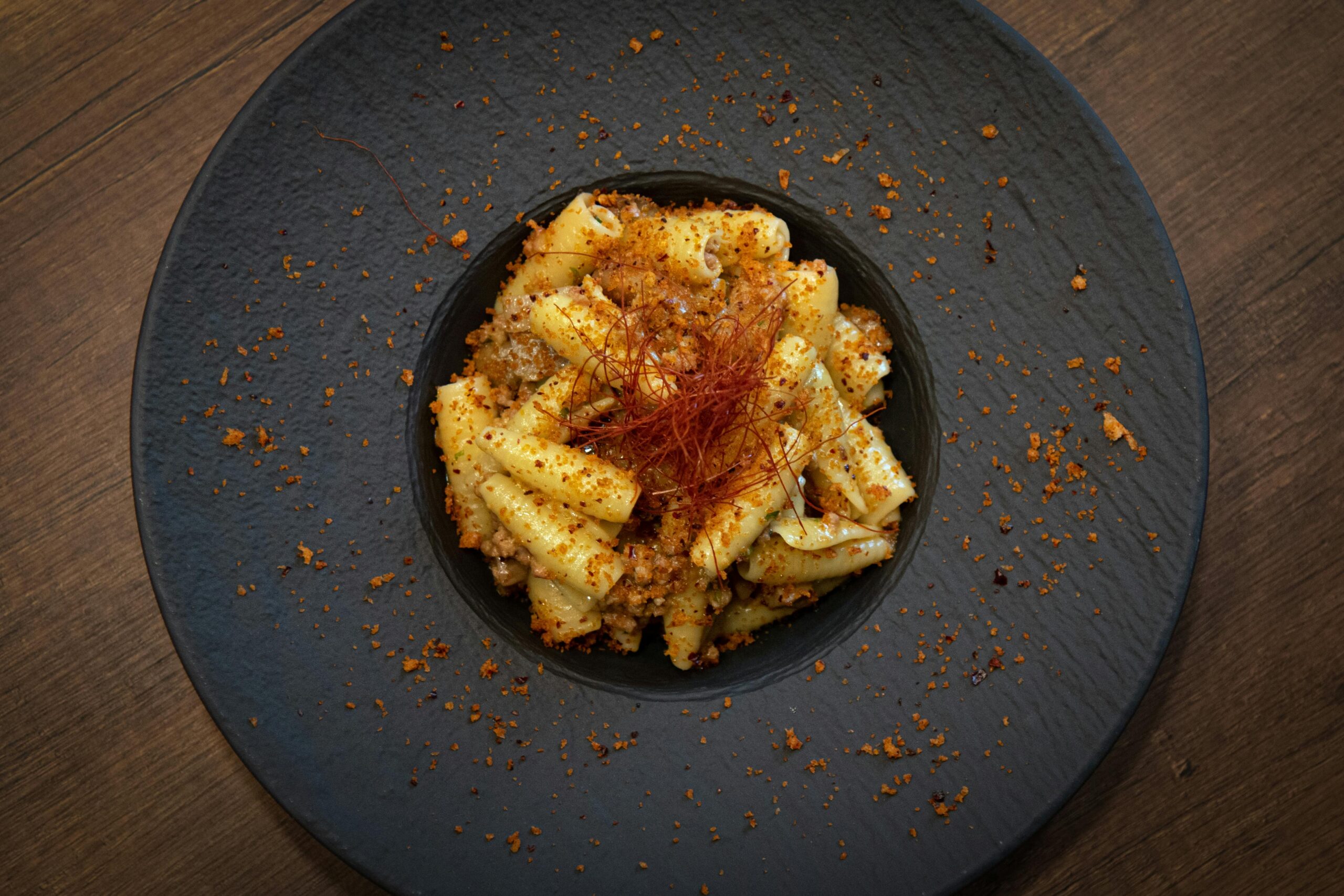
The final step in creating a unique cheese profile is considering how texture impacts the overall experience. A bold flavor deserves a bold presentation, which often means adding a crunchy topping to the soft noodles. Instead of standard breadcrumbs, try crushed pretzels or toasted pumpkin seeds for a unique, salty crunch. This contrast makes every forkful more interesting and prevents the dish from feeling mushy.
You can also create texture within the sauce by adding whole mustard grains or crispy pancetta. These small surprises throughout the bowl keep the palate guessing and prevent the flavor from becoming monotonous. Even a garnish of fresh scallions or chives can provide a refreshing “snap” that brightens the final product. When you master both the flavor and the feel, you have achieved the ultimate comfort food.
Conclusion
Building the boldest cheese profile in town is an ongoing journey of personal taste. By starting with a solid foundation and layering in savory, acidic, and spicy elements, you can create something truly unforgettable. It is about viewing a classic American favorite through a creative lens that reflects your personality. Don’t be afraid to fail, as every experiment brings you closer to your own perfect signature recipe.
