


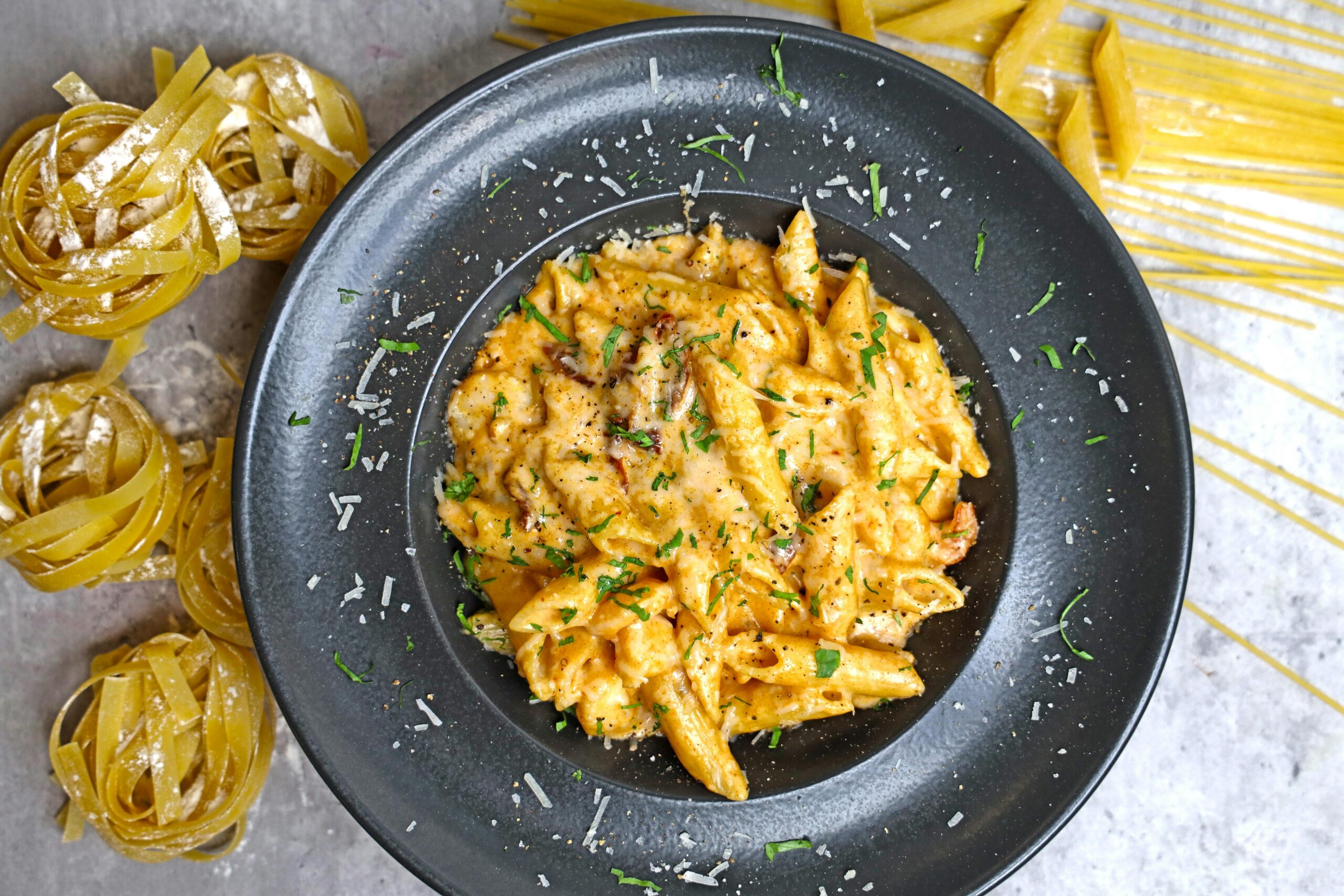
There is something deeply nostalgic about a bowl of pasta smothered in cheese. For most of us, it was the first meal we learned to “cook” on the stovetop during our childhood. As adults, we still crave that comfort, but our palates have grown up and moved beyond the basic yellow box.
Creating a signature blend isn’t about following a strict set of rules. It is about understanding how different flavors melt together to create something better than the sum of its parts. When you start treating your kitchen like a laboratory, the standard weeknight dinner turns into a culinary adventure.
Starting With A Solid Foundation
Every great masterpiece needs a sturdy base to hold everything together. In the world of pasta, that means choosing a high-quality sharp cheddar to provide that classic, familiar tang. Cheddar is the workhorse of the cheese world because it melts reliably and offers a punchy flavor that cuts through the heavy cream.
To make your base truly professional, consider the texture of your sauce. A common trick among home cooks is to incorporate a small amount of mac and cheese to act as a bridge between the fresh dairy and the pasta. This helps emulsify the sauce, which is just a fancy way of saying it keeps the fats and liquids from separating into a greasy mess.
Balancing Sharpness With Creamy Textures
Once your base is set, you need to think about contrast. A bowl made entirely of sharp cheddar can sometimes feel a bit one-note or even slightly grainy if the cheese is too aged. This is where creamy, mild players like Monterey Jack or Havarti come into the picture to smooth things out.
These softer cheeses don’t bring a ton of loud flavor, but they offer incredible “stretch” and a velvety mouthfeel. By mixing a sharp, crumbly cheese with a soft, melty one, you get the best of both worlds. You end up with a sauce that clings to the noodles without feeling heavy or overwhelming your taste buds.
Adding Depth Through Smoked Varieties
If you want your signature blend to stand out, you have to look for bold accents. Smoked cheeses, like Gouda or provolone, add a campfire-like depth that transforms the dish into something much more sophisticated. The smokiness mimics the flavor of bacon or ham without actually needing to add meat to the pot.
Be careful not to go overboard, as smoked flavors can easily hijack the entire meal. A good rule of thumb is to keep your “accent” cheese to about twenty percent of the total mix. This ensures that the smoky notes linger in the background rather than hitting you over the head with every single forkful.
Incorporating Exotic Salts And Spices
A signature blend isn’t just about the dairy; it’s about the seasonings that wake the cheese up. A tiny pinch of dry mustard powder is a secret weapon used by many chefs to highlight the sharpness of the cheddar. It doesn’t make the dish taste like mustard, but it adds a subtle brightness that makes the cheese pop.
You might also consider adding a dash of nutmeg or even some white pepper for a bit of earthy heat. These spices add complexity and keep the rich sauce from feeling too flat on the tongue. It turns a simple bowl of noodles into a multi-layered experience that keeps you coming back for another bite.
Experimenting With Custom Toppings
The final step in your kitchen experiment is the texture on top. While many people reach for standard breadcrumbs, a truly unique blend deserves a topping with some personality. Crushed buttery crackers or even ground-up pretzels can provide a salty crunch that contrasts beautifully with the gooey interior.
To make the topping even better, toss your crumbs in a little melted butter and garlic powder before broiling. This creates a golden-brown crust that seals in the moisture and adds a toasted aroma to the kitchen. It is the literal “cherry on top” that signals your meal is ready for the table.
Perfecting Your Personal Recipe
The journey to finding your perfect signature blend is rarely a one-time event. It takes a bit of trial and error to see which combinations of sharp, creamy, and smoky flavors make your heart happy. Don’t be afraid to take notes on what worked and what didn’t as you refine your stovetop process.
Ultimately, the best recipe is the one that brings a smile to your face after a long day. Whether you prefer a classic sharp profile or something experimental and spicy, your kitchen is the best place to find it. Keep mixing, keep tasting, and enjoy the delicious results of your very own signature creation.
