


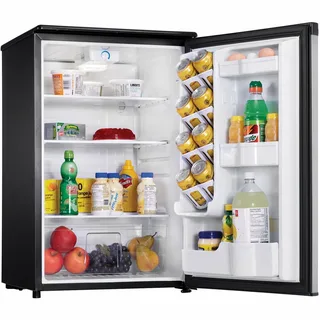
A compact refrigerator, also known as a mini fridge, is a popular appliance for dorm rooms, small apartments, offices, and even bedrooms. While it offers a convenient solution for keeping food and drinks cold without occupying much space, it also comes with its share of drawbacks. In this article, we’ll explore the pros and cons of owning a compact refrigerator to help you decide if it’s the right choice for your needs.
Pros of Owning a Compact Refrigerator
1. Space-Saving Design
One of the biggest advantages of a compact refrigerator is its small footprint. It’s ideal for tight spaces where a full-size refrigerator simply wouldn’t fit. Whether you live in a studio apartment or want to add extra cooling space in your bedroom or garage, a mini fridge can fit almost anywhere.
2. Energy Efficiency
Many modern compact refrigerators are designed to be energy efficient, using less electricity compared to traditional refrigerators. This makes them a good option for people who want to reduce their energy consumption or cut down on utility bills.
3. Portability
Another major benefit is portability. Compact refrigerators are light and easy to move, making them perfect for students or renters who may relocate frequently. You can easily take it from your college dorm to your first apartment.
4. Cost-Effective
In general, compact refrigerators are more affordable than full-sized ones. This makes them a practical choice for those on a tight budget who still need basic refrigeration capabilities.
Cons of Owning a Compact Refrigerator
1. Limited Storage Capacity
One of the primary drawbacks is the lack of storage space. A compact fridge can only hold a small number of items, which may not be sufficient for families or those who like to stock up on groceries. This could lead to more frequent shopping trips.
2. Inconsistent Cooling
Depending on the model, some compact refrigerators may not cool as evenly as larger units. Inexpensive models might struggle to maintain a consistent temperature, which can be problematic for storing perishable items.
3. Fewer Features
Unlike full-size refrigerators, compact models often come with fewer features, such as limited shelving, no freezer compartment, or a manual defrost system. This could be a disadvantage for users who rely on these functionalities.
Is a Compact Refrigerator Right for You?
When weighing the pros and cons of owning a compact refrigerator, it’s important to consider your lifestyle, space limitations, and cooling needs. If you’re a student, live alone, or just need an extra fridge for beverages or snacks, a compact refrigerator can be a smart investment. However, if you require more space and features, a full-size model may be a better option.
Conclusion
The pros and cons of owning a compact refrigerator highlight that while it’s an excellent space-saving and budget-friendly solution, it may not meet the needs of everyone. Carefully evaluate how you plan to use it and what you expect from your refrigerator before making a purchase. A well-chosen compact fridge can provide convenience and functionality in just the right way.
