


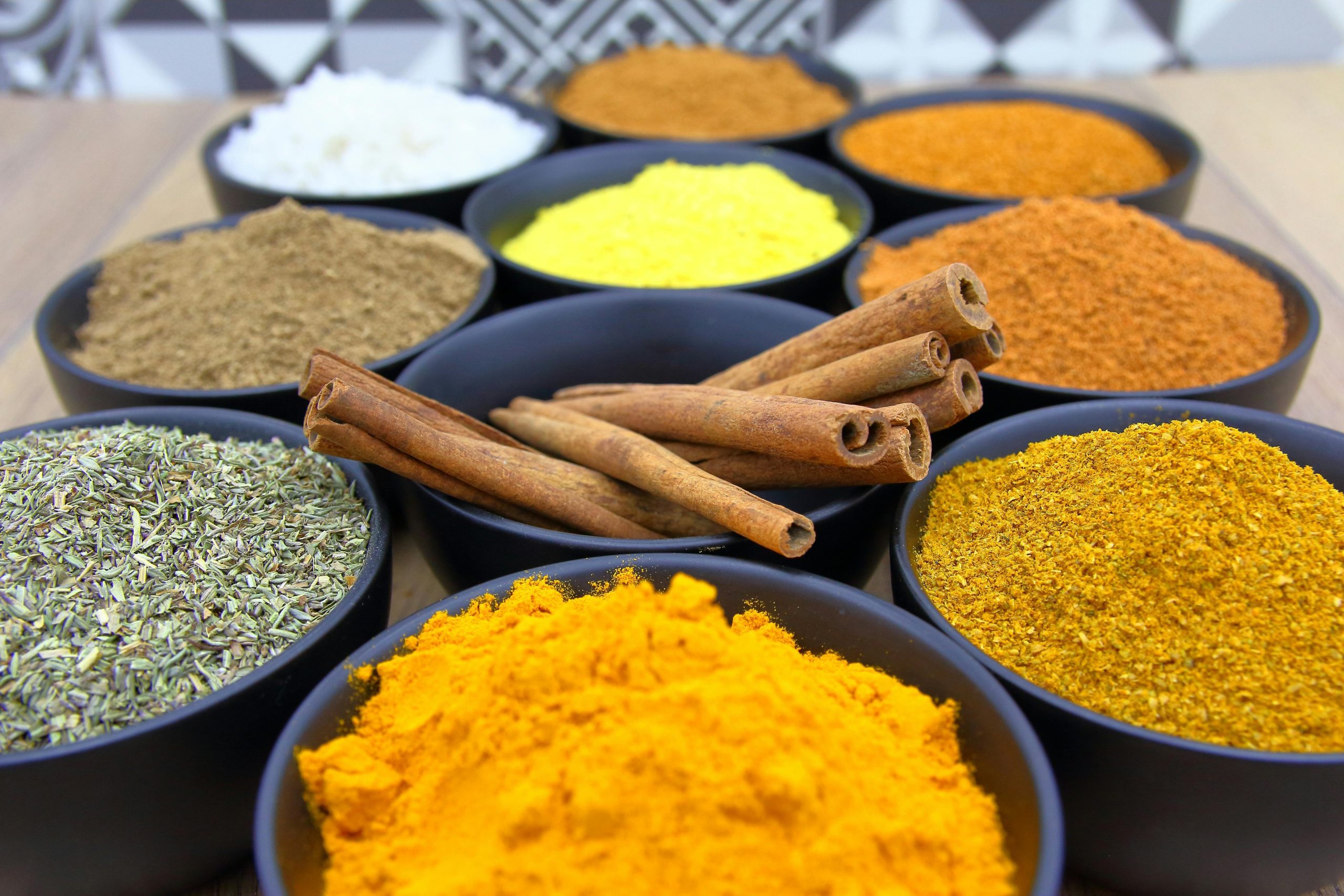
The American Southwest is more than just a landscape of red rock canyons, sun-baked deserts, and historic adobe towns. It is also a region rich in culinary tradition, defined by bold, earthy, and smoky flavors. At the heart of this regional cuisine lies a powerful blend of spices that transforms everyday meals into unforgettable experiences. These spices tell stories of Native American roots, Mexican influences, Spanish colonization, and frontier innovation. Learning about Southwest spices is not just a lesson in flavor—it’s a cultural journey through a truly unique culinary heritage.
Understanding the depth and variety of these spices opens the door to more than new recipes. It deepens your appreciation for food as art, history, and tradition. From chili powders and cumin to oregano and garlic, each spice adds its own touch to the Southwest palate. This guide will explore what makes Southwest spices special, how to use them, and why they matter in the broader context of food culture.
The Roots of Southwest Spice Blends
Southwest spices didn’t appear overnight—they evolved from centuries of cultural blending. Indigenous peoples of the region, such as the Pueblo, Apache, and Navajo, used native herbs and chili peppers in their cooking and medicine. When Spanish explorers arrived in the 16th century, they introduced garlic, cumin, and oregano to the mix. Later, Mexican culinary influence added layers of heat and complexity with more varieties of chili peppers and preparation techniques.
Today, the spice blends we associate with the Southwest are the result of this long history. They represent not just a flavor preference but a legacy of survival, adaptation, and creativity. When you season a dish with these spices, you’re connecting with a tradition that spans generations.
The Essential Southwest Spices
Southwest spice profiles are distinct, thanks to their blend of heat, smokiness, and earthiness. At the core of many dishes is chili powder, but not the generic kind found in standard supermarket blends. Southwest cooking often uses specific dried chilies ground into powders, such as Ancho, Pasilla, Guajillo, and Chipotle.
Ancho chili powder is mild, slightly sweet, and smoky, making it a versatile base. Chipotle, a smoked jalapeño, adds intense smokiness and heat. These chili powders are often mixed with cumin for warmth, garlic powder for sharpness, onion powder for depth, and Mexican oregano for an herbal punch.
Together, these spices create the savory backbone of dishes like chili con carne, enchiladas, tamales, and grilled meats. They also play a key role in vegetarian recipes, bringing richness to beans, roasted vegetables, and sauces.
More Than Just Heat
One of the most common misconceptions about Southwest spices is that they’re all about heat. While many dishes do bring a pleasant kick, the real goal is balance. Southwest spice blends focus on layering flavors rather than overwhelming the palate with spiciness.
For example, a dish might combine the sweetness of roasted corn with the smokiness of chipotle, balanced by the tang of lime and the herbal freshness of cilantro. The chili powder may add heat, but it works in harmony with the other ingredients rather than dominating them.
Learning how to use these spices is about mastering that balance. Start small, taste often, and build flavor gradually. A pinch of cumin or a dash of chili powder can go a long way in transforming the personality of a dish.
Cooking Techniques That Elevate Flavor
Southwest spices work best when they’re treated with care. Toasting whole spices before grinding them enhances their aroma and flavor. Adding spice blends early in the cooking process allows their essence to infuse deeply into stews, meats, or beans. On the other hand, adding a finishing sprinkle just before serving brings a different, more vibrant flavor profile.
Another common technique is dry rubbing meats with spice blends before grilling or roasting. This method seals in juices and creates a flavorful crust. The high heat activates the essential oils in the spices, releasing their full potential. Whether you’re making carne asada, grilled chicken, or spiced tofu, a Southwest rub can elevate the dish.
Everyday Ways to Use Southwest Spices
Southwest spices are not limited to traditional dishes. They can easily become part of your everyday cooking. Add a dash of smoked paprika and cumin to scrambled eggs. Mix chili powder and garlic powder into your burger patties. Toss sweet potatoes or carrots with a spice blend before roasting. Blend a bit of Ancho chili into your homemade salad dressing for a subtle heat.
Southwest spice blends are incredibly versatile, making them perfect for home cooks who want bold flavor without complicated techniques. With a few core ingredients in your pantry, you can bring Southwest flair to almost any meal.
Health Benefits and Clean Eating
Many Southwest spices offer nutritional benefits that go beyond taste. Chili peppers contain capsaicin, which has anti-inflammatory and metabolism-boosting properties. Garlic powder supports heart health and immunity. Cumin aids digestion and is rich in iron. These spices can enhance the health profile of your meals without adding calories, sugar, or artificial ingredients.
For those pursuing clean eating or plant-based diets, Southwest spices can add the depth of flavor that might otherwise come from meats or rich sauces. They help make healthy food taste hearty and satisfying, which is key to maintaining balanced nutrition long-term.
Celebrating Culture Through Spice
Cooking with Southwest spices is more than a flavor choice—it’s a way to honor a rich culinary culture. These spices bring people together around shared meals and tell stories that span centuries and borders. They reflect the rugged beauty of the land they come from and the resilience of the people who made them central to their cuisine.
As you explore these spices in your kitchen, take a moment to appreciate the legacy behind them. Every spoonful of chili powder or cumin carries the influence of many hands and many histories. This connection to place and tradition is what makes cooking with Southwest spices so rewarding.
Conclusion: Spice as an Invitation to Explore
Learning about southwest spices opens a door to more adventurous, flavorful, and meaningful cooking. Whether you’re new to these flavors or returning to your roots, incorporating them into your meals is a simple way to enrich your kitchen and your palate. From the smokiness of chipotle to the warmth of cumin, these spices invite exploration and creativity.
As you grow more familiar with Southwest spices, you’ll find new ways to use them and new dishes to try. What begins as a learning experience becomes a flavorful journey—one that brings depth, culture, and satisfaction to your table.
