


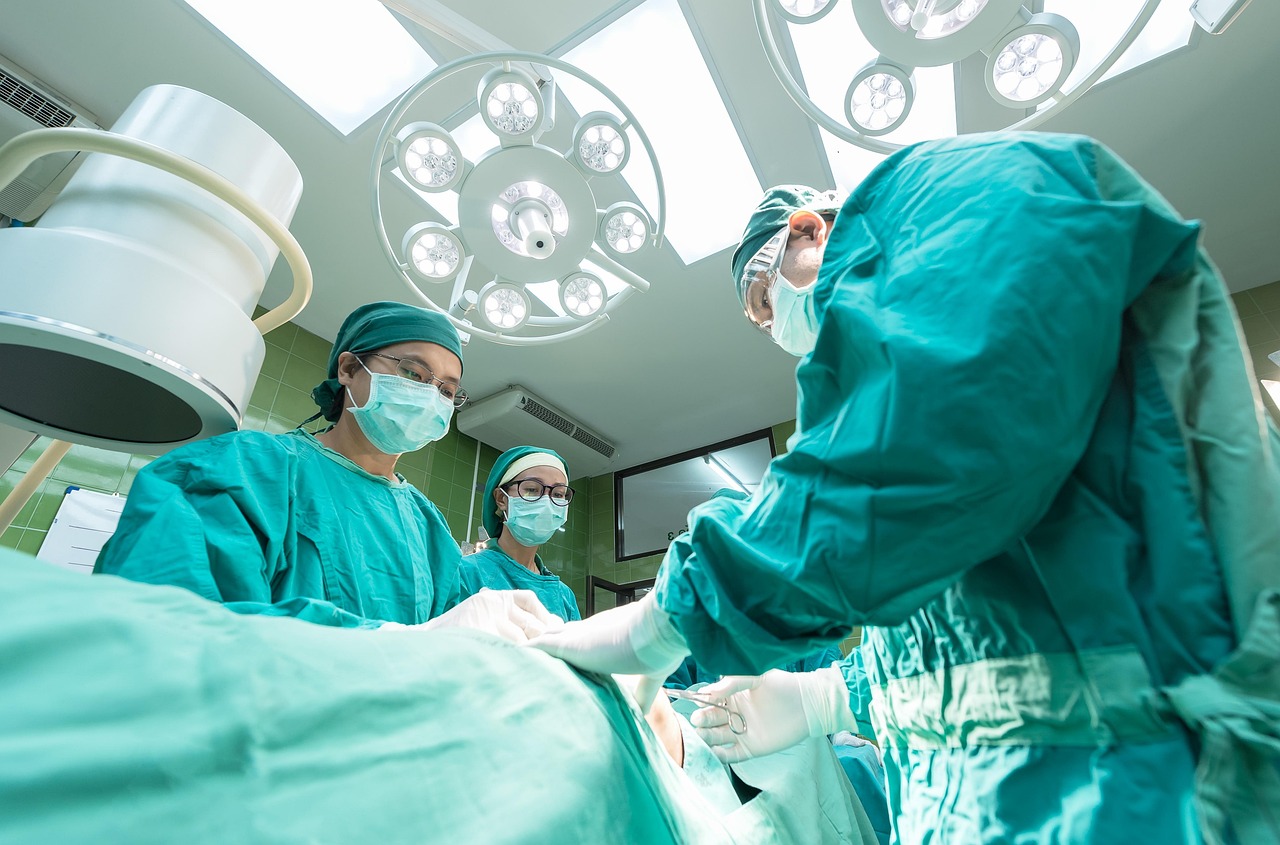
Our faces tell the world who we are. It’s where we express joy, sadness, frustration, and excitement. So when the face is changed—by accident, illness, or birth defect—it can affect more than just how we look. It can change how we feel about ourselves and how others interact with us. That’s where facial reconstructive surgery comes in. It’s not just about appearance—it’s about restoring function, comfort, and confidence.
For many people, undergoing facial reconstruction is part of a journey toward healing, both physically and emotionally. While every patient has their own story, there are a few common reasons why someone might seek this kind of surgery.
Accidents and Traumatic Injuries
One of the most common reasons people turn to facial reconstructive surgery is because of trauma. This can include anything from car accidents and sports injuries to workplace accidents or falls. Even something as quick as a bike crash or a misstep on a staircase can lead to broken facial bones or deep facial cuts.
When an injury affects the structure of the face—like the jaw, nose, or eye socket—it can interfere with basic functions such as breathing, eating, or seeing. It can also cause lasting changes to a person’s appearance. Reconstructive surgery in these cases is often focused on restoring both form and function. Surgeons work not only to rebuild the face but also to make sure the patient can return to everyday life without discomfort or difficulty.
Birth Defects and Congenital Conditions
Some people are born with conditions that affect the shape or function of their face. These are called congenital conditions, and they can include cleft lip and palate, craniofacial syndromes, or underdeveloped facial bones. Children with these conditions often need specialized surgical care, sometimes over a series of years as they grow.
Facial reconstructive surgery for congenital conditions is not just cosmetic—it plays a vital role in helping kids eat, speak, and breathe properly. It also helps them feel more comfortable and confident in school and social settings. Many medical centers, like those offering Facial Reconstructive Surgery, have teams of experts who specialize in treating these conditions with both compassion and technical skill.
Cancer and Tumor Removal
Cancer in the head or neck area—such as skin cancer, oral cancer, or sinus tumors—can leave a noticeable impact on a person’s face after treatment. Sometimes, surgery to remove a tumor means removing part of the nose, cheek, jaw, or other facial structures. Understandably, this can be difficult both physically and emotionally.
In these cases, facial reconstructive surgery is about more than appearance. It helps restore lost facial tissue and rebuild areas affected by tumor removal. This might include skin grafts, bone reconstruction, or dental rehabilitation, depending on how extensive the surgery was. The goal is to help patients return to life with confidence, knowing they look and feel like themselves again.
Facial Nerve Disorders and Paralysis
The face is full of small muscles that allow us to smile, frown, blink, or laugh. But when the nerves controlling those muscles are damaged—by injury, infection, or conditions like Bell’s palsy or stroke—it can lead to facial paralysis. This doesn’t just impact expression; it can also cause problems with eating, speaking, and even eye protection.
Facial reconstructive surgery for nerve damage focuses on restoring balance and movement. In some cases, doctors may perform nerve grafts, transfer muscles from other parts of the body, or use techniques to “lift” parts of the face that no longer move properly. It’s a highly specialized type of care, and often, patients work with a team that includes speech therapists and physical therapists as well.
Revision or Corrective Procedures
Sometimes, people seek facial reconstruction after previous surgeries didn’t yield the results they hoped for—whether it was for cosmetic or medical reasons. This could involve fixing issues like scarring, asymmetry, or breathing problems from a prior procedure.
Others may be dealing with changes from earlier trauma that was never fully addressed, or the effects of aging on previous repairs. Revision surgery allows patients to finally get the outcomes they were seeking the first time—improved function, comfort, or appearance. It’s never too late to revisit those decisions with the right surgeon and team.
Conclusion: Healing the Face and the Person
Facial reconstructive surgery isn’t just about how you look—it’s about restoring what matters most: the ability to eat, speak, smile, breathe, and feel comfortable in your own skin. Whether the need comes from an accident, a health condition, or a birth defect, the impact on a person’s life can be profound.
Thankfully, today’s reconstructive techniques are more advanced and personalized than ever before. With the right care team, patients can regain both function and confidence. If you or someone you love is considering facial reconstruction, know that it’s a path not just to recovery—but to rediscovery.
