


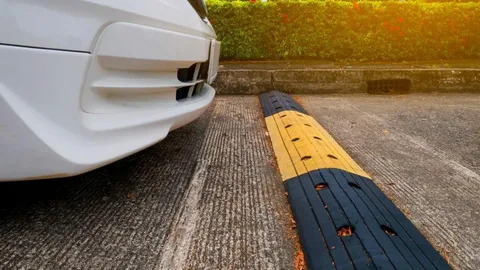
When it comes to ensuring safety in parking lots and private roads, installing speed bumps is one of the most effective measures. However, not all speed bumps are created equal. Choosing the right speed bumps for parking lots and private roads requires careful consideration of factors such as vehicle type, traffic volume, and local regulations.
Why Speed Bumps Are Important
Speed bumps are designed to slow down vehicles, reducing the risk of accidents and protecting pedestrians. In parking lots, they prevent reckless driving in areas with high foot traffic. On private roads, they help maintain a safe speed limit for residents and visitors. The right speed bump can improve safety without causing excessive wear and tear on vehicles.
Factors to Consider When Choosing Speed Bumps
1. Material
Speed bumps come in different materials, including rubber, asphalt, and plastic. Rubber speed bumps are durable and easy to install, making them ideal for parking lots. Asphalt speed bumps are more permanent and are suitable for private roads with heavy traffic.
2. Size and Height
The dimensions of a speed bump influence how effectively it slows vehicles. Higher speed bumps are more effective but can be uncomfortable for drivers if too steep. Choosing the right size ensures a balance between safety and vehicle comfort.
3. Traffic Volume and Vehicle Type
Consider the type of vehicles using the area. Parking lots often accommodate cars, SUVs, and delivery vehicles, whereas private roads may see heavier trucks. Selecting speed bumps that can withstand the weight and frequency of traffic is essential.
4. Visibility
Adding reflective markings or bright colors improves the visibility of speed bumps, reducing the risk of accidents. Proper signage should also accompany them to alert drivers in advance.
Installation Tips
Proper placement is crucial. Speed bumps should be positioned where drivers naturally slow down, such as near entrances, exits, or pedestrian crossings. Ensure adequate spacing between bumps to prevent vehicles from repeatedly slowing and accelerating, which can lead to damage or frustration.
Conclusion
In summary, choosing the right speed bumps for parking lots and private roads involves evaluating materials, dimensions, traffic type, and visibility. By considering these factors, property owners can enhance safety while ensuring smooth vehicle flow. Installing well-designed speed bumps is a simple yet highly effective step toward accident prevention and a safer driving environment.
