


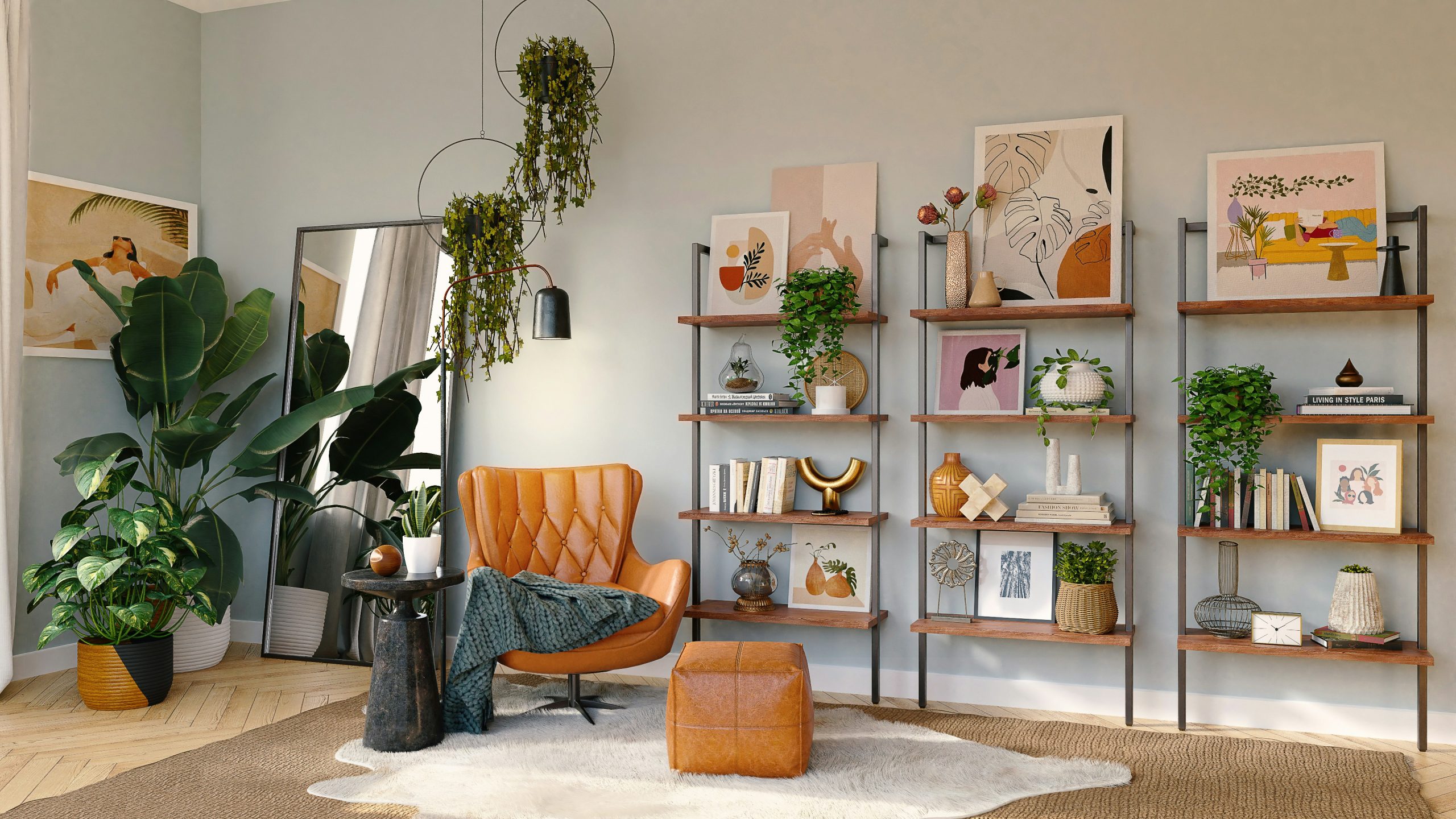
Understanding Your Personal Design Aesthetic
Choosing an interior designer starts with understanding your own preferences. Before you even begin contacting professionals, it helps to have clarity about what you like and don’t like when it comes to home aesthetics. Are you drawn to clean, modern spaces or do you prefer warm, traditional interiors? Do you admire bold colors and dramatic statements, or are you more inclined toward minimalist, monochromatic palettes?
By reflecting on these personal tastes, you’ll be better prepared to choose a designer who can interpret and elevate your vision. This self-awareness also ensures that your designer-client relationship begins on the right foot, with mutual understanding from the start.
Researching Designers with Intention
Once you have a sense of your own style, it’s time to begin the search for designers whose previous work resonates with you. The internet is a powerful tool for this purpose. Browse portfolios on official websites, design magazines, and social media platforms. While aesthetics are crucial, also pay attention to recurring themes: How do they approach space planning? Do they lean toward certain textures, colors, or layouts?
Look for consistency in quality across various projects. Whether it’s a luxury high-rise or a cozy cottage, a strong designer will maintain a standard of excellence in execution while adapting to different client tastes.
Reading Between the Lines
Client testimonials, reviews, and word-of-mouth referrals can provide important insights into a designer’s working style. While online ratings can be helpful, they only tell part of the story. Take note of how clients describe their experience in terms of communication, flexibility, creativity, and ability to stay within budget and timelines.
Also, try to find examples where designers have worked outside of their typical style comfort zones. This speaks volumes about their versatility and willingness to collaborate instead of imposing a fixed design identity on every project.
Compatibility Goes Beyond Style
While finding someone whose style aligns with yours is important, personal compatibility can be just as critical. Interior design is often a highly personal process. A designer may be working with you inside your home, interpreting how you live, and making recommendations that affect your comfort and daily routines.
Schedule consultations with a few shortlisted candidates. Notice how well they listen, how they respond to your ideas, and whether they seem genuinely invested in your project. Some clients prefer hands-on involvement, while others want a designer to take the lead. Make sure your expectations and their working style align early on.
Consider the Full Range of Services Offered
Not all interior designers offer the same scope of services. Some focus solely on decorative elements, while others provide comprehensive design plans that include space planning, custom furnishings, lighting layouts, and even construction oversight. Understanding what services a designer offers will help ensure they’re capable of meeting your specific needs.
Firms with broad experience and multidisciplinary teams, such as The Decorators Unlimited, often work on high-end projects that require attention to detail across architecture, interior design, and landscaping. This level of integrated planning can be invaluable when a project has multiple moving parts.
Budget Realistically and Discuss It Early
Many people hesitate to bring up budget in the early stages of conversation, but this topic should never be left until the last minute. A skilled designer can do great work at many budget levels—as long as they have a clear understanding of your financial parameters.
Be honest about what you’re willing to spend and make sure the designer is comfortable working within that range. It’s also wise to ask how their fee structure works: Do they charge hourly, by project, or as a percentage of the total cost? Understanding these logistics early can prevent miscommunications later.
Timelines Matter, So Plan Ahead
Designing a space takes time—from concept development and materials selection to sourcing furnishings and coordinating contractors. If you have a specific timeline in mind, discuss this upfront. Designers often book projects months in advance, especially during busy seasons.
Be realistic about how long your project might take, particularly if it involves major renovations or custom elements. A good designer will help you set clear milestones and a manageable schedule, even if that means extending your original timeline to ensure quality.
Trust and Communication Build Better Spaces
The most successful interior design projects are the result of strong collaboration and trust. Even if you’re hiring a designer for their expertise, you should feel comfortable expressing your opinions and asking questions. Likewise, the designer should welcome feedback and offer clear explanations about their decisions.
The best client-designer relationships function like a creative partnership—where each party brings ideas to the table and works together to achieve a result that feels truly personal and functional.
Final Thoughts: Style Meets Strategy
Choosing the right interior designer is not just about finding someone with impeccable taste; it’s about discovering a creative partner who can translate your personality into a space you love. From your first conversation to the final walkthrough, the experience should feel collaborative, transparent, and grounded in mutual respect.
When you choose carefully, the results will speak for themselves—beautiful, livable spaces that feel like an extension of you. Whether you’re furnishing a new home, remodeling a kitchen, or simply refreshing a single room, finding a designer who aligns with your style and values is the key to a successful outcome.
Let your design journey start with intention, and the rest will fall into place beautifully.
