


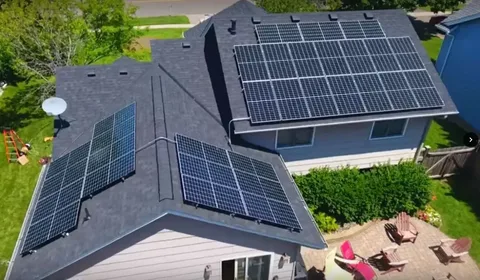
Solar energy has become one of the most sustainable and cost-effective ways to power homes and businesses. Understanding how to set up a solar power system can help you reduce your electricity bills and contribute to a cleaner environment. This guide provides a detailed Step-by-Step Installation of a Solar Power System, making it easier for beginners and DIY enthusiasts to follow.
Understanding Solar Power Systems
Before diving into installation, it’s important to know the key components of a solar power system:
- Solar Panels – Convert sunlight into electricity.
- Inverter – Converts DC electricity from panels into AC electricity for home use.
- Charge Controller – Regulates the voltage and current going to the battery.
- Battery Storage – Stores excess energy for use when sunlight is unavailable.
- Mounting Structure – Holds the panels in place securely.
Step 1: Assess Your Energy Needs
Begin by evaluating your household’s energy consumption. Check your electricity bills to estimate daily usage in kilowatt-hours (kWh). This step is crucial for determining the number of solar panels and battery capacity required for your system.
Step 2: Choose the Right Components
Selecting the right components ensures efficiency and longevity. Look for high-quality solar panels, a reliable inverter, and durable batteries. Ensure the system matches your energy needs and budget.
Step 3: Site Assessment and Panel Placement
Solar panels need maximum sunlight exposure. Conduct a site assessment to identify areas with minimal shade and optimal orientation. Typically, panels should face south (in the Northern Hemisphere) for maximum sunlight.
Step 4: Install Mounting Structures
Secure the mounting structures on your roof or designated area. Ensure they are strong enough to hold the panels and withstand environmental factors such as wind and rain.
Step 5: Mount the Solar Panels
Attach the solar panels to the mounting structure. Make sure they are firmly secured and angled correctly to maximize sunlight absorption.
Step 6: Connect the Electrical Components
- Connect panels to the inverter.
- Attach the inverter to your home’s electrical panel.
- Connect batteries through a charge controller if you have an off-grid or hybrid system.
Always ensure connections follow safety standards, and consider consulting a certified electrician for this step.
Step 7: Test the System
After installation, check the system’s output and ensure everything is functioning properly. Monitor energy production to confirm that your solar power system operates efficiently.
Step 8: Maintenance Tips
Regular maintenance is essential for optimal performance:
- Clean panels periodically to remove dust and debris.
- Inspect wiring for wear and tear.
- Check battery health and replace when necessary.
Installing a solar power system may seem complex, but following this Step-by-Step Installation of a Solar Power System guide simplifies the process. With careful planning and execution, you can enjoy renewable energy, lower electricity bills, and a greener lifestyle.
