


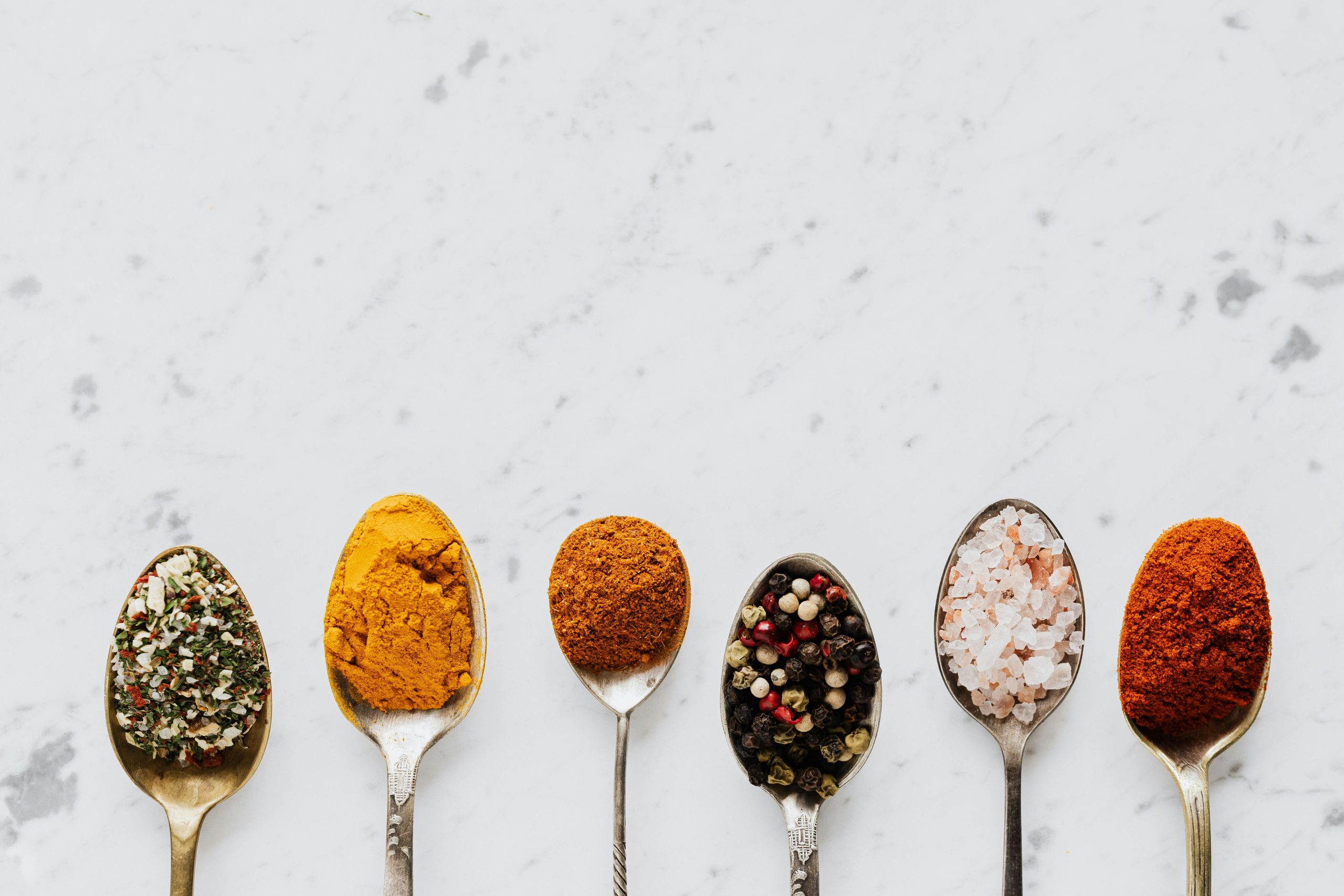
Southwest cuisine is more than just a regional food style—it’s a cultural expression shaped by history, geography, and a passion for flavor. From the sun-drenched deserts of New Mexico to the mesas of Arizona and the rugged landscapes of Texas, this cuisine tells a story of indigenous roots, Mexican influence, and frontier spirit. At the heart of this culinary tradition are the spices—bold, earthy, smoky, and sometimes fiery—that give Southwest dishes their unmistakable identity.
Southwest spices do more than just season food. They define it. They add depth, complexity, and an element of surprise to everyday ingredients. Whether you’re grilling meat, simmering a stew, or even tossing a salad, adding a dash of Southwest spice can transport your meal to a different place entirely. Understanding what these spices bring to your food will help you appreciate their value—and maybe inspire you to cook with them more often.
A Symphony of Heat, Smoke, and Earth
Southwest spices are known for their bold profiles. They often blend heat with smoke, and earthy tones with unexpected brightness. Among the most iconic are chili powders—Ancho, Chipotle, and New Mexico red chiles—each offering a different level of spice and smokiness. Chipotle, a smoked and dried jalapeño, brings a deeply smoky, slightly sweet heat. Ancho chile, made from dried poblano peppers, is milder and fruitier with earthy undertones.
These spices are rarely used alone. Instead, they are part of complex blends that might include cumin, garlic powder, onion powder, oregano, coriander, and sometimes cocoa or cinnamon for depth. The result is a flavor profile that hits the palate in layers—first the warmth, then the smokiness, followed by rich, savory earthiness.
These spices transform simple proteins like chicken, pork, and beef into flavor-packed dishes. They turn a pot of beans into something hearty and memorable. And they bring vegetables to life in ways that are both comforting and exciting.
A Cultural Heritage in Every Bite
One of the most powerful things about southwest spices is their connection to cultural tradition. These flavors trace their roots to Native American, Spanish, and Mexican cuisines. Long before modern kitchens and spice racks, indigenous people of the region were grinding chiles and herbs by hand, using them not just for food, but for medicine and ceremony.
This deep-rooted heritage is part of what makes Southwest cooking so meaningful. Each bite connects us to generations of cooks who valued flavor, sustenance, and community. When you cook with these spices, you’re not just enhancing a recipe—you’re honoring a tradition.
Versatility in the Kitchen
Another remarkable quality of Southwest spices is their versatility. While they are essential in classics like chili con carne, enchiladas, and tamales, they are equally at home in modern or fusion recipes. You can sprinkle a Southwest spice blend over roasted vegetables, stir it into quinoa or rice, or even mix it with yogurt for a zesty dip.
These spices pair beautifully with sweet and savory ingredients alike. A touch of chili powder can enhance the flavor of dark chocolate. A smoky spice rub can elevate grilled pineapple or peaches. The adaptability of these spices means you can experiment confidently in the kitchen, knowing they will add character and complexity to nearly any dish.
Health Benefits Beyond Flavor
While we often use spices for taste, many Southwest spices also offer impressive health benefits. Chili peppers, for instance, contain capsaicin—a compound known to boost metabolism, reduce inflammation, and even release endorphins that elevate mood. Cumin is known for aiding digestion and supplying antioxidants. Oregano and garlic powder offer antimicrobial properties that support overall health.
Incorporating these spices into your meals can help reduce the need for excess salt or fat, allowing the natural flavors to shine while still creating satisfying, crave-worthy dishes. It’s proof that healthy eating doesn’t have to mean bland food—especially when the Southwest pantry is involved.
Enhancing Texture and Aroma
Southwest spices don’t just change the taste of food—they affect its texture and aroma too. The coarse grind of some chili powders can add a subtle crunch to rubs or crusts, while spice blends used in marinades can help tenderize meat. Toasting spices before using them in a dish also brings out their essential oils, creating a rich aroma that fills the kitchen and builds anticipation before the first bite.
This multisensory experience—where the food smells amazing, looks vibrant, and tastes deeply flavorful—is one of the reasons Southwest cuisine has become beloved far beyond its region of origin.
Inviting Community Through Food
In Southwest culture, food is meant to be shared. Whether it’s tacos around a campfire, green chile stew on the stove, or a barbecue with spice-rubbed ribs, the flavors of the Southwest are built for gathering. Spices help create meals that bring people together, spark conversation, and linger in memory.
Because these spice blends are often made at home or passed down through families, they carry stories with them. A grandmother’s chili recipe, a neighbor’s dry rub for carne asada, or your own experiments with roasted corn and cumin—these dishes tell stories of place, people, and creativity.
Bringing the Southwest to Your Kitchen
You don’t have to live in the Southwest to enjoy its flavors. With a few essential spices in your pantry, you can bring that warmth and character into your own cooking. Start with a quality chili powder, some cumin, smoked paprika, garlic powder, and dried oregano. From there, build your own custom blends based on the ingredients and heat level you enjoy most.
Cooking with Southwest spices is an invitation to play with flavor, explore culture, and nourish yourself and others with food that’s bold and balanced. Whether you’re preparing a weeknight dinner or a weekend feast, these spices will elevate your meals in exciting and meaningful ways.
Conclusion: A Flavor Tradition Worth Celebrating
Southwest spices are more than just seasoning—they’re storytellers. They reflect centuries of culinary tradition, adapt beautifully to today’s kitchens, and bring health, flavor, and community to every table. From the smoky heat of chipotle to the earthy aroma of cumin, these spices offer a taste of a region that celebrates food with passion and pride.
By embracing the power of Southwest spices, you don’t just improve your meals—you connect with a rich and flavorful heritage that continues to inspire. Let every dish you create be a journey, one spice at a time.
