


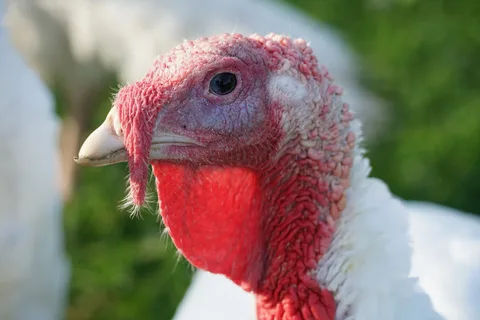
Erysipelas in turkeys is a serious bacterial infection that can hit fast and hard, especially in adult birds. Caused by Erysipelothrix rhusiopathiae, this disease can lead to sudden death, swelling in joints, poor egg production, and general unthriftiness in a flock. When it shows up, fast treatment is critical—and antibiotics are the primary defense.
But not all antibiotics work the same way, and understanding which ones are most effective can make all the difference when it comes to saving birds and preventing further spread. In this blog, we’ll break down the top antibiotics commonly used to treat erysipelas in turkeys, how they work, and why timing matters so much.
Penicillin: The Trusted First-Line Treatment
For decades, penicillin has been the go-to antibiotic for treating erysipelas in turkeys—and for good reason. It works by interfering with the bacteria’s ability to build and maintain its cell walls. Without that protection, the bacteria essentially fall apart. In poultry, this can result in a rapid turnaround, especially when the infection is caught early.
Penicillin is typically given as an injection because it gets into the bloodstream quickly and goes right to work. One widely used product is HAN-PEN Penicillin G Potassium, a formulation known for its reliability in treating poultry infections like erysipelas.
You can purchase penicillin products such as HAN-PEN from reputable sources like US Vet, a trusted supplier for livestock and poultry antibiotics. Buying from a specialized veterinary supplier helps ensure you’re getting quality products that meet legal and safety standards.
It’s important to follow proper dosing and withdrawal times to ensure the health of both the birds and consumers. Although penicillin is still considered the gold standard, it’s not always a one-size-fits-all fix. Sometimes birds don’t respond as expected, especially if the infection is widespread or if resistance has developed.
Tylosin: A Broad-Spectrum Option
Tylosin is another antibiotic often used in turkey flocks, especially when multiple infections are present. It’s considered broad-spectrum, which means it works against a variety of bacteria, not just Erysipelothrix. This makes it a useful backup when penicillin doesn’t seem to be working or when a mixed infection is suspected.
Tylosin works by blocking the bacteria’s ability to make proteins—something they need to grow and multiply. Without the ability to build proteins, the infection can’t spread, and the immune system has a better shot at clearing it out. It can be given orally through drinking water or by injection, depending on the situation and the size of the flock.
While not always the first choice for erysipelas, tylosin is often part of a broader treatment plan when complications are involved or when secondary infections are suspected.
Erythromycin: When Resistance Is a Concern
Erythromycin is similar to tylosin in how it works—it also targets the bacteria’s protein-building process. It tends to be used in more specific cases where there’s concern about antibiotic resistance or when penicillin and tylosin aren’t effective. Erythromycin is often administered through water, which makes it easier to treat large groups at once.
Though not as widely used as penicillin, erythromycin has its place, particularly when the infection is caught a little later or when lab results suggest a different strain of bacteria that may not respond to the usual drugs. It’s always important to work with a veterinarian to determine when erythromycin is appropriate, since overuse can lead to resistance in future flocks.
Monitoring how turkeys respond to treatment can help ensure that this antibiotic continues to be an option for the long haul.
Ampicillin: A Fast-Acting Alternative
Ampicillin is closely related to penicillin, but it’s absorbed a bit differently and can sometimes be more effective depending on the circumstances. Like penicillin, it disrupts the bacteria’s ability to maintain its protective cell walls, but it may work better in cases where the infection is rapidly spreading or in birds that have not responded to other treatments.
It’s often used when a quick, strong response is needed. In some cases, it may even be combined with other antibiotics to create a broader treatment plan. Because it works quickly, it’s particularly useful in controlling outbreaks before they spread too far in the flock.
As always, proper dosing and consultation with a veterinarian are essential to make sure the birds recover without complications and that no residues remain in the meat or eggs.
Oxytetracycline: A Secondary Support Option
Oxytetracycline isn’t typically the first line of defense for erysipelas, but it can be helpful in preventing secondary infections. Chronic infections can wear down a bird’s immune system, leaving it open to other types of bacteria. That’s where an antibiotic like this one can play a role—supporting the bird’s recovery while the primary infection is treated.
This antibiotic works by stopping bacteria from making proteins, much like tylosin and erythromycin. It can be given through water or feed and is generally well tolerated. It’s most effective as part of a broader care strategy, especially when combined with good flock management and sanitation practices.
Although it’s more of a supportive tool than a cure for erysipelas itself, oxytetracycline plays an important part in keeping complications at bay during recovery.
Conclusion: Choosing the Right Antibiotic Matters
Erysipelas is one of those poultry diseases where speed and accuracy make all the difference. The earlier you spot the signs—sudden deaths, swollen joints, listless behavior—the better your chances of stopping the infection in its tracks. Choosing the right antibiotic means understanding how each one works and what role it plays in the treatment plan.
Penicillin is often the first and best option, and it’s readily available from trusted suppliers, which offers poultry-specific formulations like HAN-PEN. Alternatives like tylosin, erythromycin, and ampicillin are important tools when complications arise.
At the end of the day, no antibiotic should be used blindly. Always consult with a veterinarian, follow proper dosing guidelines, and keep good records. That way, your turkeys stay healthy, and your flock continues to thrive.
