


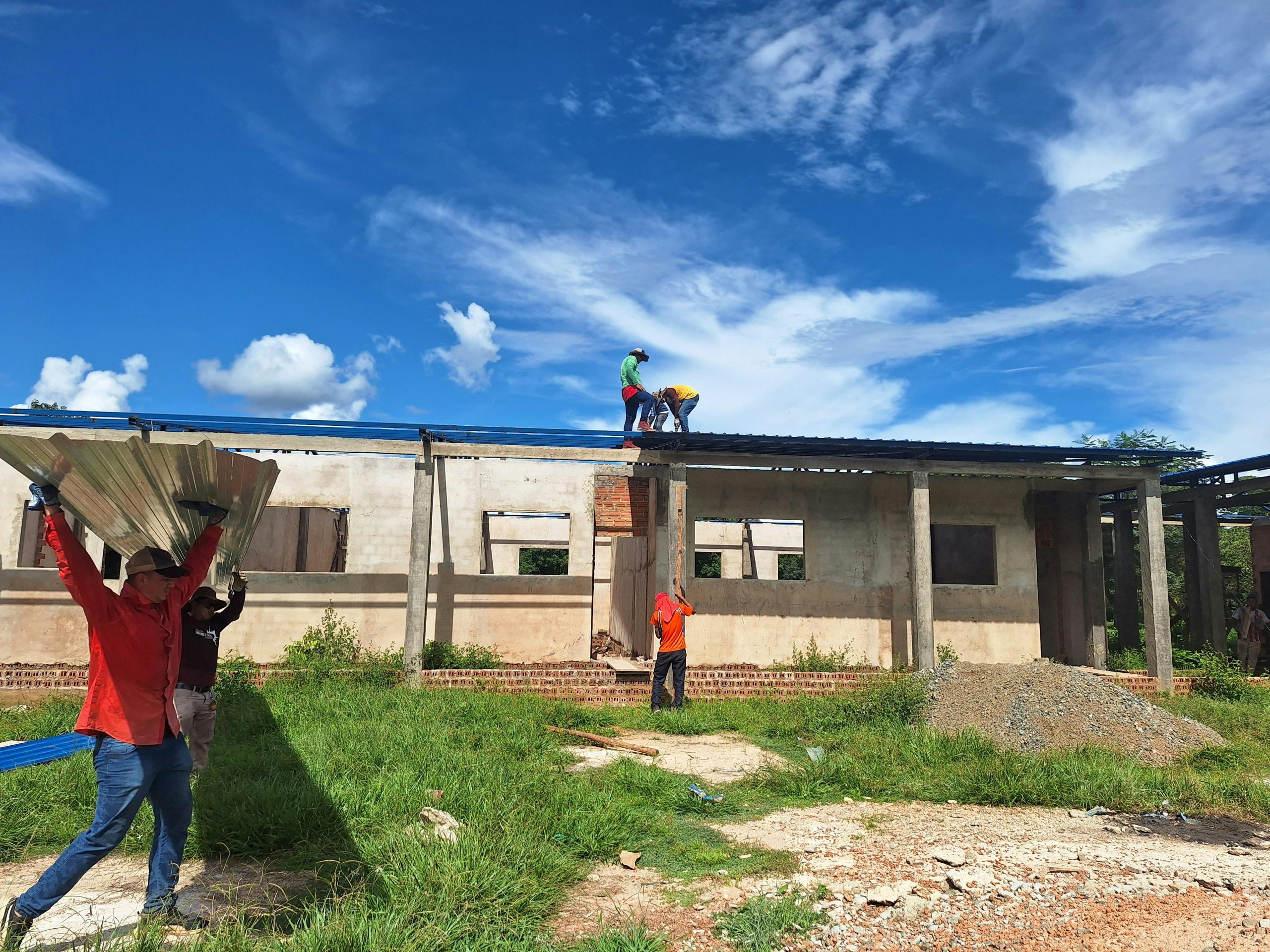
A roof is one of the most critical components of your home. It shields you from the elements, contributes to your home’s structural integrity, and plays a major role in curb appeal and energy efficiency. Whether you’re building a new home or replacing an old, worn-out roof, understanding the essentials of roof installation can help you make informed decisions and ensure a long-lasting investment.
The roof installation process may seem overwhelming at first, but with the right information and professional guidance, it can be smooth and stress-free. Here’s what every homeowner should know before, during, and after a roof installation project.
Understanding the Importance of Quality Roofing
A well-installed roof does more than just keep out rain and snow. It also plays a role in insulating your home and maintaining indoor comfort throughout the year. An improperly installed or deteriorating roof can lead to a host of problems, including water damage, mold growth, increased energy bills, and compromised structural safety.
When you’re considering a roof installation, it’s important to think about it as a long-term investment. Choosing quality materials and experienced contractors not only ensures immediate performance but also adds to the longevity and value of your home.
Choosing the Right Roofing Material
The roofing material you select will affect not only the appearance of your home but also its performance and durability. Options include asphalt shingles, metal roofing, clay or concrete tiles, and slate, each with its own advantages. Asphalt shingles are the most common due to their affordability and versatility. Metal roofing offers excellent longevity and resistance to extreme weather, while tiles and slate provide a more distinct aesthetic appeal.
Your local climate, budget, and home’s architectural style should guide your decision. In areas with heavy snow, wind, or rain, durability and weather resistance should be prioritized. Meanwhile, for homes in hotter climates, reflective materials that help manage indoor temperatures can be a smart choice.
The Role of Professional Installation
While DIY enthusiasts may be tempted to tackle roof replacement themselves, roofing is not a task that should be taken lightly. The installation process involves careful planning, technical knowledge, and safety precautions. A professional roofer ensures proper alignment, ventilation, underlayment, and flashing—elements that are easy to overlook but crucial to the roof’s integrity.
Experienced companies exemplify the kind of expertise and attention to detail that a quality roof installation demands. While you may not be familiar with the intricacies of roof pitches or sealing methods, seasoned contractors bring the right tools, techniques, and understanding of local building codes to ensure everything is done correctly the first time.
Preparing for the Installation Process
Roof installation can be a noisy and intrusive process, typically lasting anywhere from a couple of days to over a week, depending on the size and complexity of the project. Homeowners should be prepared for temporary disruptions and plan accordingly. It’s advisable to protect outdoor furniture, keep pets and children indoors, and notify neighbors about the upcoming work.
Before the work begins, your roofing contractor should conduct a full inspection, explain the process in detail, and provide an accurate timeline. This is also the time to ask questions about warranties, permits, and what to expect during each phase of the installation.
Inspections and Long-Term Maintenance
Once your new roof is installed, don’t assume the work is entirely over. A final inspection should be conducted to confirm that the job meets quality standards and local regulations. Some roofing companies include this step in their service, while others may offer it as an optional add-on.
Even with the best installation, regular maintenance is necessary to extend the life of your roof. This includes clearing debris, inspecting for damage after storms, and scheduling periodic professional evaluations. Identifying small issues early—like cracked shingles or minor leaks—can prevent costly repairs down the road.
Roof installation is a significant home improvement project that requires careful planning, quality materials, and professional execution. From choosing the right type of roofing to working with reputable contractors and understanding the timeline and maintenance involved, every step is important for ensuring your roof protects your home for decades.
Whether you’re upgrading for aesthetic reasons or replacing a roof that’s reached the end of its life, remember that the choices you make today will affect your comfort, safety, and home value well into the future. Partnering with a trusted company that understands your needs—like the kind of service offered by firms such as Burke’s Roofing—can make all the difference in achieving a successful outcome.
