


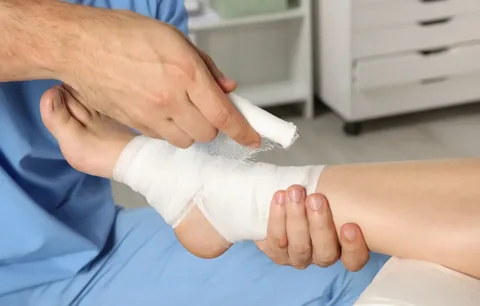
When it comes to chronic wounds, healing is rarely a straight path. For many patients, wounds that should heal in weeks linger for months or even years. The reasons can vary—poor circulation, underlying health issues like diabetes, or repeated pressure on the wound—but one of the biggest and most often overlooked causes is infection. And not just any infection, but one caused by bacteria or fungi that aren’t being properly identified or treated.
This is where accurate pathogen detection becomes not just helpful, but essential. Knowing exactly what’s causing the infection allows doctors and wound care specialists to treat it more effectively and help the body finally do what it’s been trying to do all along: heal.
Infections Aren’t Always Obvious
Not all infections are easy to see. Sometimes there’s redness, swelling, or foul odor, but other times, a wound just stops healing. This is often a sign of bacteria or fungi hiding beneath the surface. Treating these infections without knowing exactly what’s causing them can lead to more harm than good. It’s a bit like throwing darts in the dark—you might hit the target, but chances are you’ll miss.
For a long time, most wound infections were treated based on guesswork or trial-and-error with antibiotics. But not all bacteria respond the same way, and fungal infections are a whole different story. That’s why accurate testing is so important. It helps clinicians pinpoint the exact culprit and choose a treatment that actually works.
Targeted Treatment Saves Time—and Tissue
When a chronic wound is infected and not healing, every day counts. The longer an infection goes untreated—or is treated incorrectly—the more damage it can do to the surrounding tissue. In serious cases, it can even lead to hospitalization or amputation.
That’s why targeted treatment based on accurate detection is such a game changer. Instead of waiting weeks to see if a general antibiotic is working, doctors can prescribe the right medication from the start. This approach not only speeds up healing but also prevents the infection from spreading further.
Accurate testing also means doctors don’t have to rely as heavily on broad-spectrum antibiotics, which are medications that try to kill a wide range of bacteria. Overusing these drugs can lead to antibiotic resistance, making future infections even harder to treat. Better testing means smarter, safer medicine.
Old Testing Methods Don’t Always Cut It
Traditional lab cultures—where a sample is placed in a dish to grow and identify bacteria—have been the standard for decades. While they still play a role in wound diagnostics, they have clear limitations. Some bacteria don’t grow well outside the body, and fungal pathogens can be even more elusive in these conditions. That means infections can slip through the cracks, leading to delayed or ineffective treatment.
Modern approaches like molecular testing are helping close that gap. These tests in labs work by detecting the DNA of bacteria and fungi directly, making them more precise and much quicker. They’re especially useful in chronic wounds where multiple pathogens may be present or where traditional tests come back inconclusive.
Labs experienced in molecular diagnostics, such as Lab Pros, offer a deeper look at what’s really going on inside a wound—so nothing critical gets overlooked.
Chronic Wounds Are More Than Just a Skin Problem
It’s easy to think of wounds as surface-level issues, but chronic wounds affect the whole body—and the whole person. For people dealing with long-term wounds, the impact goes far beyond physical pain. It can affect their mobility, independence, and even mental health.
When a wound doesn’t heal, it can feel like being stuck in limbo. There’s the frustration of constant doctor visits, frequent dressing changes, and the looming worry of serious complications. Getting the infection properly identified can offer not just physical relief, but also peace of mind. It’s a step toward progress, toward hope.
By making accurate testing a standard part of wound care, providers can offer better outcomes and help patients regain control over their lives.
Prevention Starts with Awareness
The best way to treat a wound infection is to catch it early—or better yet, prevent it entirely. That starts with awareness. Patients, caregivers, and clinicians should know the signs of infection and the importance of testing when a wound isn’t improving as expected.
Too often, infections go undiagnosed simply because no one thinks to test for them. Or, they’re treated blindly with medications that only delay real healing. Educating both patients and providers on the importance of proper pathogen detection can lead to better care and fewer complications.
As wound care continues to evolve, it’s time for infection detection to keep pace. Better tools and more accurate testing should be the new normal—not the exception.
Conclusion: Testing Is the First Step to Healing
When you think of wound care, it’s easy to focus on dressings, creams, or pressure relief. But without accurate pathogen detection, these solutions might just be masking a deeper problem. Identifying the exact bacteria or fungi behind a stubborn wound can make all the difference in choosing the right treatment and finally helping that wound heal.
Better testing leads to better decisions. It protects patients from unnecessary medications, speeds up recovery, and reduces the emotional and physical toll of chronic wounds. In today’s world, where advanced testing is more accessible than ever, there’s no reason to guess.
If a wound isn’t healing the way it should, it’s not just bad luck—it might be something hiding beneath the surface. And the sooner it’s found, the sooner healing can truly begin.
