


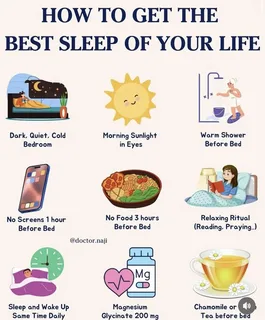
1 in 3 adults struggles to get quality sleep regularly. You cut back on caffeine, set an earlier bedtime, and still find yourself wide awake at 2 am. The idea of trying a natural sleep supplement sounds appealing, but the options are endless, and every product makes the same promises. Here’s the truth: a handful of well-researched supplements genuinely support your body’s own sleep systems. You only need to know which one matches your specific problem, what a realistic result looks like, and when it’s time to change course.
Step One: Figure Out What’s Actually Wrong
Most people skip this part and go straight to buying something. That’s why so many supplements end up unused in a drawer.
Sleep problems fall into three clear categories:
- Can’t fall asleep → your mind is overactive, or your body clock is off
- Wake up through the night → stress hormones, blood sugar, or shallow sleep cycles
- Wake too early and can’t go back → often cortisol or mood-related
Spend five to seven days keeping a basic sleep log. Write down when you go to bed, when you wake up, how often you stir, and how rested you feel in the morning. This takes ten minutes total, and it will make every decision after this much easier.
Also, rule out the obvious first. Caffeine after 2 pm, scrolling before bed, and an inconsistent wake time cause more sleep disruption than most people want to admit.
The Four Supplements Worth Starting With
These are the most researched, beginner-friendly options available.
| Supplement | Best For | Dose/Timing | Grogginess Risk | Example Brands |
| Melatonin | Jet lag, shift work | 0.5–3mg, 60min pre-bed | Medium | Allergy Research Group |
| Magnesium Glycinate | Muscle tension, restless sleep | 200–400mg evening | Low | Kirkman |
| Valerian Root | Anxiety, trouble falling asleep | 300–600mg nightly | Medium | Herb Pharm, Gaia Herbs |
| L-Theanine | Racing thoughts | 200mg pre-bed | Low | Integrative Therapeutics |
Melatonin
It works by signalling to your brain that nighttime has arrived. It’s most effective when your sleep timing is off rather than when your sleep is simply light or broken. Start at 0.5mg to 1mg. Higher doses often cause more grogginess the next day, not better sleep.
Magnesium Glycinate
It calms the nervous system and relaxes muscles. It’s one of the gentlest forms of magnesium with a low risk of stomach upset. For anyone carrying physical tension into bed, it’s a strong first option.
Valerian Root
It targets anxiety-driven sleeplessness. It needs one to two weeks to build up properly, so a single trial night tells you very little. Give it a fair run before deciding it doesn’t work.
L-Theanine
It is an amino acid from green tea that creates calm without sedation. At 200mg, it pairs particularly well with magnesium for people whose thoughts keep running after lights out.
What Actually Happens in the First Few Weeks
People expect a natural sleep supplement to work like a switch. It doesn’t, and that’s not a flaw.
Here’s a more honest timeline:
- Days 1 to 3: Subtle relaxation is the most you’ll likely notice. Some people fall asleep a few minutes faster. That’s a good sign.
- End of week one: Sleep onset tends to improve more noticeably. Waking through the night may be reduced.
- Weeks two to four: This is where real consistency builds. Valerian root in particular reaches its full effect around this point.
Age, diet, stress load, and sleep environment all influence how quickly results show up. This means two people on identical supplements can have genuinely different outcomes, and both can be normal.
How to Begin Without Overcomplicating It
Pick one supplement based on your sleep pattern. Magnesium glycinate is the safest entry point for most beginners because it has the lowest risk of side effects and works for a wide range of issues.
Take it 30 to 90 minutes before bed. Keep the dose on the lower end to start. In addition, pair it with a few basic habits: a dark room, no bright screens for 30 minutes before sleep, and a consistent wake time every morning, including weekends.
Track how you feel each morning for two full weeks before drawing any conclusions. If nothing has shifted by then, either increase the dose slightly or swap to a different option. Stacking two low-risk choices like magnesium and L-theanine together is also a reasonable next step. If sleep problems continue beyond a month, see a doctor to rule out sleep apnea, anxiety disorder, or other underlying causes.
What to Watch Out For
A few mistakes show up repeatedly with first-time supplement users:
- Taking too much melatonin. More does not mean better. Excess melatonin can disrupt your natural hormone cycle over time.
- Quitting after two nights. Most people never reach the point where the supplement has a chance to work.
- Ignoring quality. Supplement contents vary significantly between brands. Choose products tested by NSF International, USP, or Informed Sport.
- Mixing without checking. Valerian root interacts with sedatives and some anxiety medications. Always check interactions before stacking.
Pregnant or breastfeeding individuals should speak to a doctor before starting anything. Melatonin is not intended for long-term daily use without medical input.
Before You Move On: A Quick Checklist
Before starting:
- Identify whether your issue is falling asleep, staying asleep, or waking early
- Keep a sleep log for five to seven days
- Remove obvious disruptors like late caffeine and screens before bed
- Choose one supplement that matches your pattern
After two weeks:
- Review your log for changes in sleep onset and quality
- Check for next-day grogginess or mood shifts
- Adjust dose or switch supplements if needed
- Book a GP appointment if nothing has improved
Sleep tracking apps like Sleep Cycle or Pillow can make the logging process easier without needing any extra devices.
Conclusion
Better sleep rarely comes from one dramatic fix. It comes from understanding your pattern, matching the right support, and giving it enough time to work. Starting simple, staying consistent, and adjusting based on real feedback will get you further than any label or trend ever could. Paying attention to timing, dosage, and routine is what truly makes a difference.
