


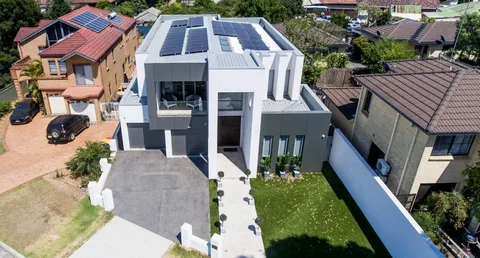
Home extensions have become a popular solution for Sydney homeowners who need extra space without the hassle of moving. Whether you are adding a second story, expanding your kitchen, or creating a new living area, planning your finances carefully is essential. Understanding Home Extension Costs in Sydney: Budgeting Tips for Homeowners can help you make informed decisions and avoid unexpected expenses during the construction process.
Why Home Extensions Are Popular in Sydney
Sydney’s competitive property market and rising house prices have encouraged many families to upgrade their existing homes rather than relocate. A well-planned extension not only improves living space but can also increase the overall value of your property.
However, before starting any project, homeowners should have a clear understanding of the costs involved and how to manage their budget effectively.
Factors That Affect Home Extension Costs
Several factors influence the total price of a home extension in Sydney. Knowing these factors can help you estimate expenses more accurately.
Size and Type of Extension
The size of your extension is one of the biggest cost drivers. A simple room addition will generally cost less than a double-story extension or a major structural renovation.
Examples include:
- Ground-floor extensions
- Second-story additions
- Kitchen or bathroom expansions
- Outdoor living areas
Each type comes with different material, labor, and engineering requirements.
Building Materials
The quality of materials you choose can significantly impact your budget. Premium finishes, custom cabinetry, and high-end flooring will naturally cost more than standard options.
Choosing durable yet cost-effective materials can help you stay within budget without compromising quality.
Council Approvals and Permits
Sydney homeowners may need development approvals, permits, and inspections before construction begins. These fees vary depending on the local council and the complexity of the project.
Hiring an experienced builder or architect familiar with Sydney regulations can streamline the approval process.
Labor and Professional Fees
Architects, engineers, designers, and builders all contribute to the final cost. Skilled labor in Sydney can be expensive, especially during periods of high demand in the construction industry.
It is always wise to obtain multiple quotes before selecting contractors.
Budgeting Tips for Homeowners
Careful financial planning is essential for a successful extension project. Here are some practical budgeting tips to consider.
Set a Realistic Budget
Start by determining how much you can comfortably afford. Include both construction costs and additional expenses such as permits, temporary accommodation, and landscaping.
A contingency fund of 10% to 20% is also recommended for unexpected costs.
Prioritize Your Needs
Focus on the features that matter most to your family. If your budget is limited, prioritize functionality over luxury upgrades.
For example, investing in structural quality and energy efficiency may provide better long-term value than expensive decorative features.
Compare Quotes Carefully
Do not automatically choose the cheapest quote. Compare builders based on:
- Experience
- Reputation
- Timeline
- Materials included
- Warranty coverage
Transparent pricing can help prevent hidden costs later.
Plan for Future Value
A thoughtfully designed extension can increase your property’s resale value. Consider additions that appeal to future buyers, such as open-plan living areas, extra bedrooms, or modern kitchens.
This approach makes Understanding Home Extension Costs in Sydney: Budgeting Tips for Homeowners even more important for long-term financial benefits.
Common Hidden Costs to Watch Out For
Many homeowners underestimate additional expenses that arise during construction. These may include:
- Site preparation and excavation
- Structural repairs
- Plumbing and electrical upgrades
- Temporary relocation costs
- Landscaping and finishing work
Discuss potential hidden costs with your builder before signing any contracts.
How to Save Money on Your Home Extension
There are several ways to reduce costs without sacrificing quality.
Keep the Design Simple
Complex layouts and custom architectural features often increase labor and material costs. Simple, practical designs are generally more budget-friendly.
Reuse Existing Structures
Whenever possible, retain existing walls, plumbing lines, or roofing structures to minimize demolition and rebuilding expenses.
Choose Energy-Efficient Solutions
Energy-efficient windows, insulation, and lighting may require a larger upfront investment but can reduce utility bills over time.
Final Thoughts
Planning a home extension requires careful financial preparation and realistic expectations. By thoroughly researching expenses, comparing quotes, and setting a clear budget, homeowners can avoid unnecessary stress and costly surprises.
Most importantly, Understanding Home Extension Sydney cost: Budgeting Tips for Homeowners allows you to create a functional and valuable living space while maintaining control of your finances. With smart planning and the right professionals, your dream home extension can become a successful and rewarding investment.
